This program is designed to train postgraduate students to become adept not only on the rudiments of counseling practice but also on the development of skills and techniques that may be used in making diagnosis and in effecting interventions to various cases in the helping profession. The program uses the experiential and instructional approaches in dealing with issues and concerns in school counseling, industrial counseling, and community counseling – the three major areas of the program.
These programs are designed to train graduate students to become better persons, more effective professional guidance counselors. The courses are organized in a way that students are equipped with strong foundation in the theories and fundamental principles of psychology, philosophy, social research, and guidance counseling. To achieve these ends, the programs are focused on the integration of theory and practice.
These programs are designed to train graduate students in counseling; become attuned in applying the theories, principles, methods, and techniques of guidance and counseling in the various activities in business and industry. Graduate students are envisioned to be equipped with the knowledge on how counseling theories and practices can be of help in making the workplace become more inter-active and fulfilling. The programs make use of experiential approach in instruction.
These programs envision to train and provide schools, rehabilitation facilities, industries, and the community at large with highly proficient, competent and passionate professionals in the field of psychology. It further aims to produce graduates who adhere strongly to the moral and ethical standard in the practice of profession, humane in attributes, and compassionate in the performance and delivery of their professional services.

Philippine Association of Colleges and Universities Commission on Accreditation (PACUCOA)
Philippine Association of Colleges and Universities Commission on Accreditation (PACUCOA)
Philippine Association of Colleges and Universities Commission on Accreditation (PACUCOA)
Philippine Association of Colleges and Universities Commission on Accreditation (PACUCOA)
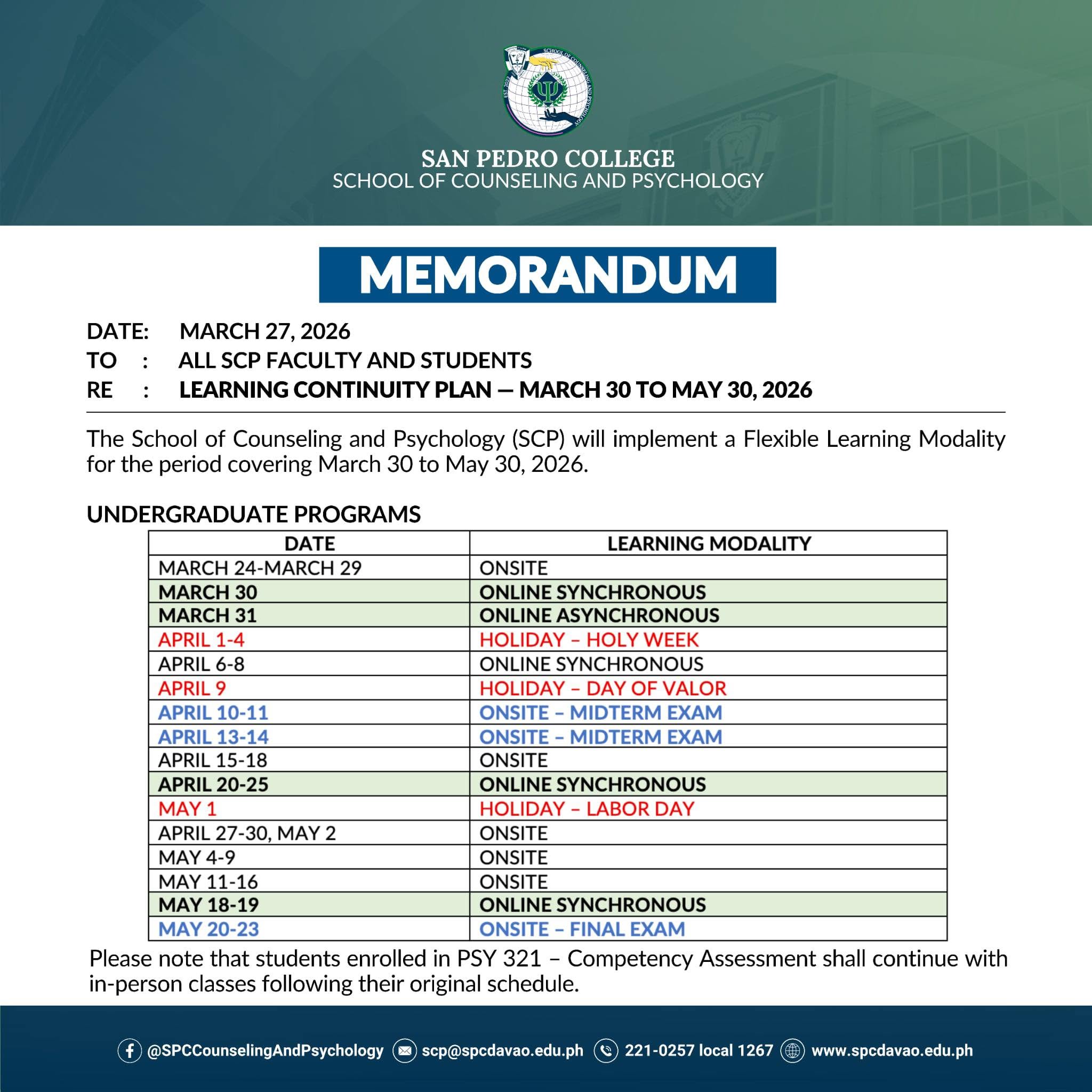
GET LATEST UPDATES
Dean, School of Counseling and Psychology (SCP) Program Coordinator, Graduate School (MAGC)
Specializations / Subjects Taught
Associate Dean, School of Counseling and Psychology (SCP)
Specializations / Subjects Taught
MSP & MP Program Coordinator, Graduate School / Internship Coordinator (SCP)

Specializations / Subjects Taught

Faculty, School of Counseling and Psychology (SCP)

Faculty, School of Counseling and Psychology (SCP)

Faculty, School of Counseling and Psychology (SCP)

Faculty, School of Counseling and Psychology (SCP)

Guidance Facilitator, Guidance, Counseling & Testing Center

Psychometrician, Guidance, Counseling & Testing Center

Assistant Head, Guidance, Counseling & Testing Center

Psychometrician, Guidance, Counseling & Testing Center

Head, Guidance, Counseling & Testing Center

Head, Alumni Affairs Office

Clinical Supervisor, Family Welfare and Wellness Center

Guidance Facilitator, Guidance, Counseling & Testing Center

Secretary, President Office

Part-Time Faculty, School of Counseling and Psychology (SCP)
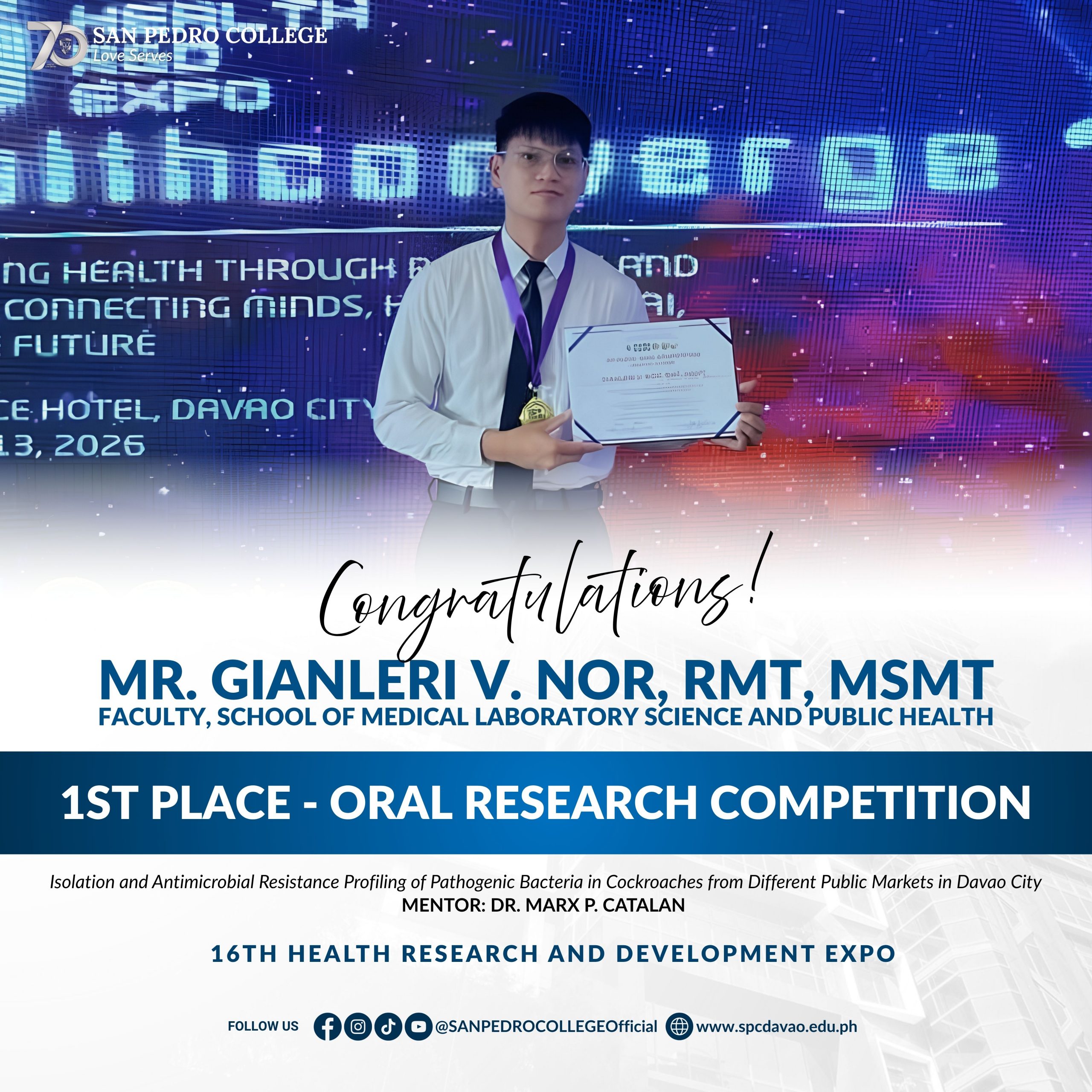
Part-Time Faculty, School of Counseling and Psychology (SCP)
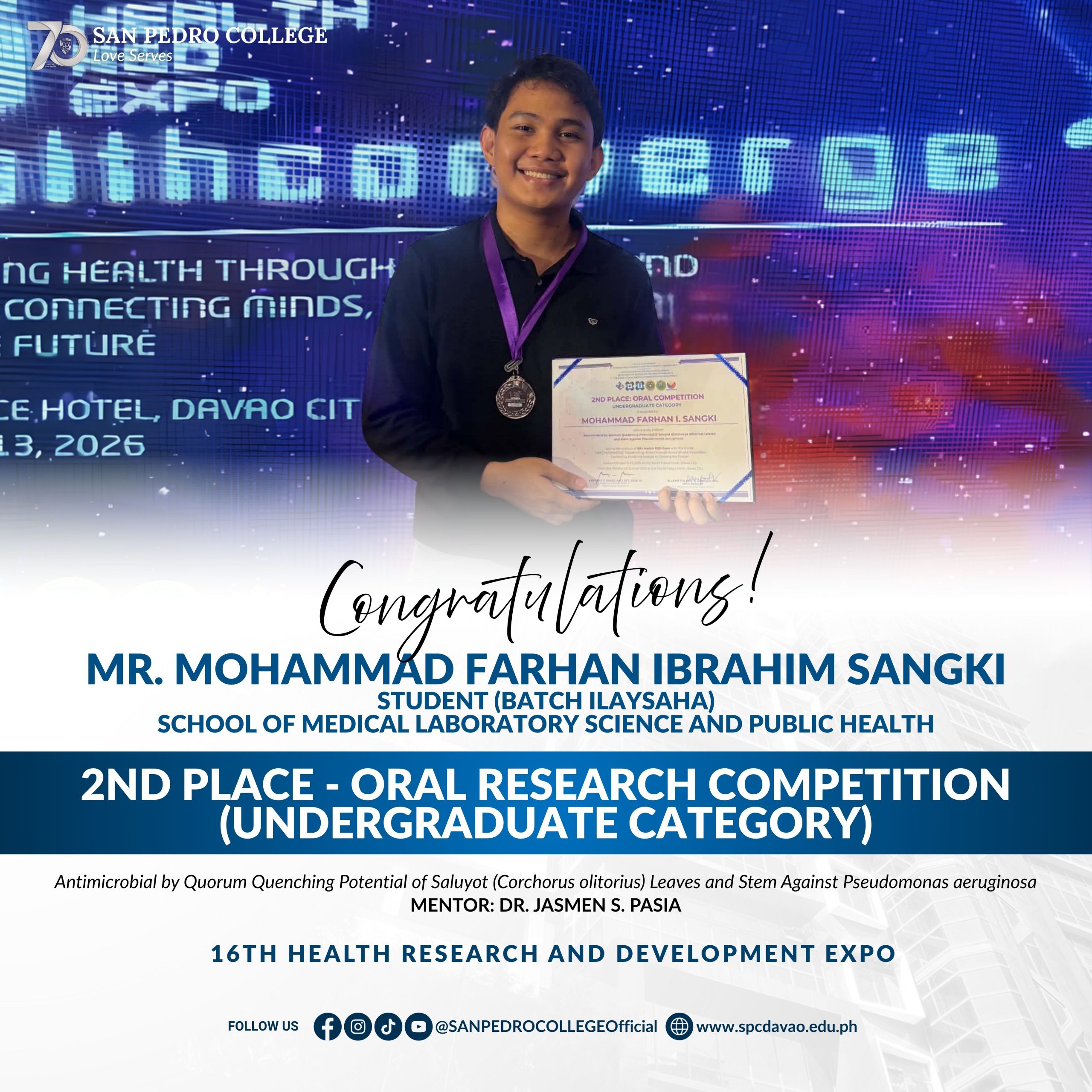
Part-Time Faculty, School of Counseling and Psychology (SCP)
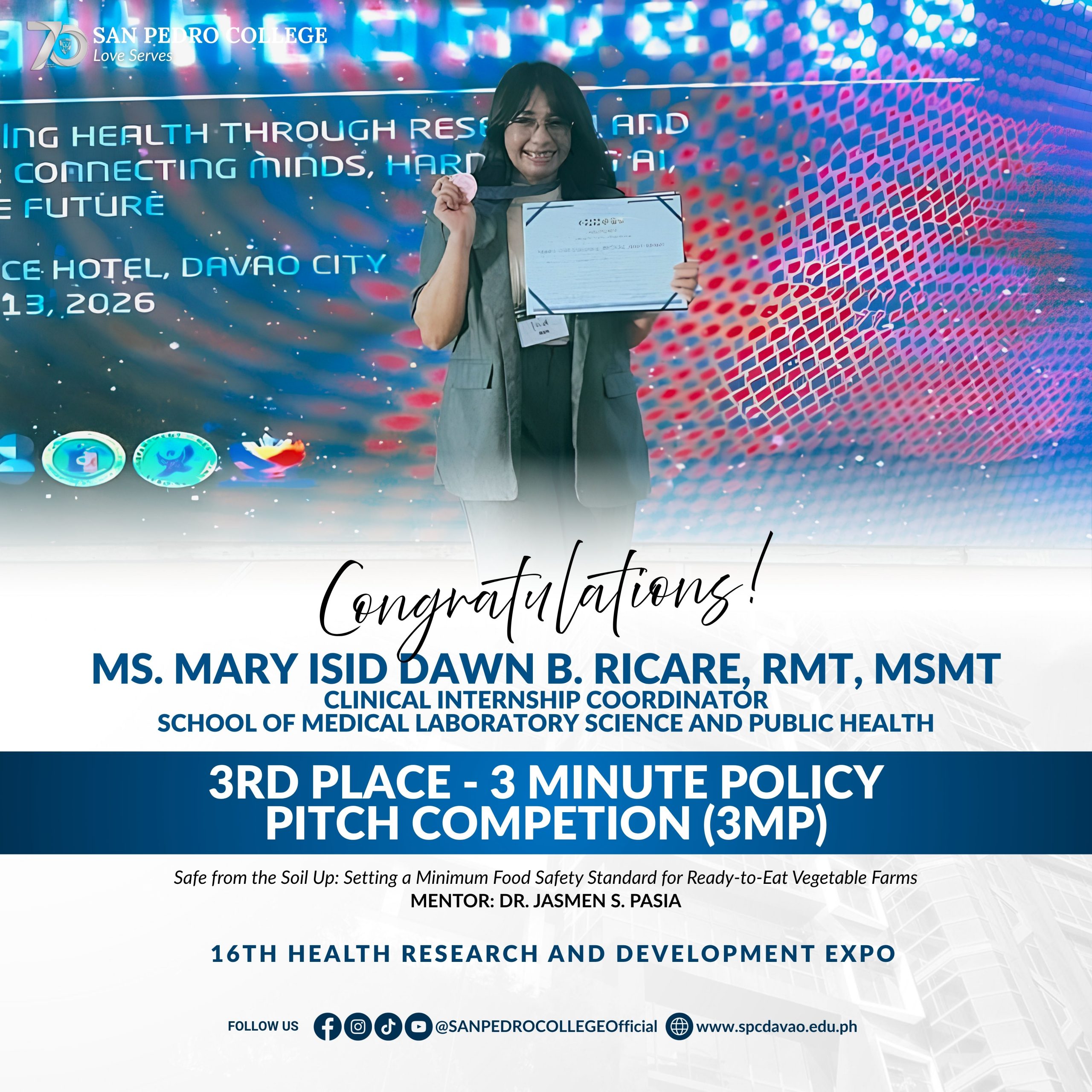
Part-Time Faculty, School of Counseling and Psychology (SCP)
Part-Time Faculty, School of Counseling and Psychology (SCP)
Part-Time Faculty, School of Counseling and Psychology (SCP)

Part-Time Faculty, School of Counseling and Psychology (SCP)

Academic Secretary, School of Counseling and Psychology (SCP)

Academic Secretary, School of Counseling and Psychology (SCP)
School Term and Examinations (As stipulated in the College Handbook)
· Conflicts in examination schedule must be brought to the attention of the subject teachers prior to the examination schedule. In the event that schedules will not be arranged, the department dean will deal on the matter.
· Special examinations in a grading period may be given to students when the reason of absence is considered excused.
· Special examinations will be scheduled by the teacher upon approval of the Dean within ten (10) days after the periodical examination. A student will only have 80% of the raw score. Failure to take the special examination in any grading period will mean a raw score of zero or its grade equivalent for the said examination. The special examination fee is payable at the Cashier’s Office, of which, a special examination permit is issued.
· Any student who misses a quiz due to excused absence shall be given a special quiz upon presentation of an absence slip from the department concern.
· No student is allowed to take the periodical examination if he/she arrives after fifteen (15) minutes of the schedules examination. He/she must secure special examination permit before taking the test.
Absence is considered excuse based on the following reasons:
· Illness with medical certificate issued or validated by the school physician;
· Death of the immediate member of the family (parents and siblings, spouse and children) with valid death certificate;
· Attendance or participation in school related activities, provided, there is a validation from the respective authority or written communication to such effect;
· Calamities in any form upon presentation of proof or evidence; and
· General transport strike.
Fill out the letter template for special examination.
Make sure that you attach your proof (screenshot, validated medical certificate, etc.), SRF, and examination schedule, then send it to the Associate Dean for BSPsy and Dean for BHS. You may also visit the office and submit it personally if you find it more convenient.
Give the signed letter to your professor and agree on a special examination date. Please do this before the encoding of grades.
Make an excuse letter (with attached proof and signature) or validate your medical certificate with the school clinic. (8.5 x 11, Lato/Arial, 11, PDF Form)
Email your excuse letter or medical certificate to ruthmarie_zosa@spcdavao.edu.ph with the subject REQUEST FOR EXCUSE SLIP | Last Name, FIrst Name Middle Initial – Section or you may bring it personally to SD 207 (SCP Office) for validation.
An excuse slip will be given. You can show it to your professor so you can take missed activities and/or quizzes.
Office of Student Affairs – St. Therese Building, 2nd Floor
St. Dominic Building – Room 207 (SD 207)
School of Counselling and Psychology Graduate School
Copyright © 2025 San Pedro College, All Rights Reserved. SPC Official Website.
| Terms and Conditions | Data Privacy Statement | Privacy Notice |
| Cookie | Duration | Description |
|---|---|---|
| cookielawinfo-checbox-analytics | 11 months | This cookie is set by GDPR Cookie Consent plugin. The cookie is used to store the user consent for the cookies in the category "Analytics". |
| cookielawinfo-checbox-functional | 11 months | The cookie is set by GDPR cookie consent to record the user consent for the cookies in the category "Functional". |
| cookielawinfo-checbox-others | 11 months | This cookie is set by GDPR Cookie Consent plugin. The cookie is used to store the user consent for the cookies in the category "Other. |
| cookielawinfo-checkbox-necessary | 11 months | This cookie is set by GDPR Cookie Consent plugin. The cookies is used to store the user consent for the cookies in the category "Necessary". |
| cookielawinfo-checkbox-performance | 11 months | This cookie is set by GDPR Cookie Consent plugin. The cookie is used to store the user consent for the cookies in the category "Performance". |
| viewed_cookie_policy | 11 months | The cookie is set by the GDPR Cookie Consent plugin and is used to store whether or not user has consented to the use of cookies. It does not store any personal data. |